All Categories
Featured


Affordable Plan Choices for Veterans
Table of Contents
An HMO Medicare Benefit strategy supplies a network (described as an "HMO network") of healthcare companies and health centers to its customers. It's required for a patient to choose a medical care physician to manage their healthcare and offer recommendations to any providers that are not in the strategy's network, other than in the event of an emergency.
Not as numerous claims to file due to in-network care. The ease of having a main care physician to collaborate and handle the care provided. Often, lower costs for prescriptions. A client can only see providers within the plan's network unless they have a recommendation for an outside specialist, or it's an emergency circumstance.
Nevertheless, unlike an HMO plan, a PPO Medicare Advantage plan permits more flexibility when seeing out-of-network service providers. It's not needed to have a recommendation to see an out-of-network specialist although it might be more pricey and take additional time to get insurance coverage because a client need to file a claim for coverage each time they see an out-of-network provider.
The client has more versatility with which providers they choose to see, whether they're within the strategy's network or out-of-network. The majority of times, there is no requirement for a referral if a patient cares to see an out-of-network expert. Higher regular monthly premium. Probably, greater month-to-month premiums. The patient is accountable for managing their health care rather of a main care supplier.
An EPO insurance plan, or an 'Special Company Organization' insurance strategy, is often called a plan that is "situated between an HMO and PPO." This is because, like a PPO plan, an EPO does not need a patient to stay in-network for care meaning, no recommendations or emergencies are essential for seeing an out-of-network supplier.
Insurance in Moreno Valley CAHow Term Insurance Builds Family Security
This plan is less commonly known, it typically provides a much bigger network than an HMO.A POS insurance plan, or a 'Point of Service' insurance plan, is also understood to "blend components of HMO and PPO strategies." This is because, like an HMO plan, a POS insurance coverage strategy needs a patient to have a medical care medical professional that handles their healthcare and provides recommendations to out-of-network specialists or companies.
The Medicaid program supplies Americans with low to no charge healthcare to individuals/households that have restricted earnings or specials needs. Together with Medicaid is a program called CHIP or 'Children's Medical insurance Program,' which is a state funded program where patients pay low to no expense healthcare for kids and pregnant women who have limited earnings.
According to the internal revenue service, the deductible is at least $1,400 for a specific and $2,800 for a household. In order to fight the high deductible expense, it is suggested that a client contributes to an HSA/HRA or a 'Health Cost Savings Account'/'Health Compensation Arrangement,' which companies often contribute to every year also.
Another element to note about this plan is that it protects the client from "disastrous out-of-pocket expenditures for covered services." What this implies is that, once a client's "yearly out-of-pocket expenditures for covered services from in-network providers, including deductibles, copayments, and coinsurance, reaches the fixed disastrous limitation," the insurance provider will cover all costs.
HMO and PPO plans share certain functions. There are some primary distinctions between HMO and PPO strategies.
Reviewing 2026 Medicare Supplement Options
HMOs will not cover care from an out-of-network company. HMOs generally have lower premiums and out-of-pocket expenses.
It's good to have options. When it pertains to medical insurance, you have your option of several strategy types. Two popular types you'll frequently see are HMO and PPO. Differences in between HMO (Health Upkeep Organization) and PPO (Preferred Company Organization) strategies include network size, capability to see specialists, expenses, and out-of-network protection.
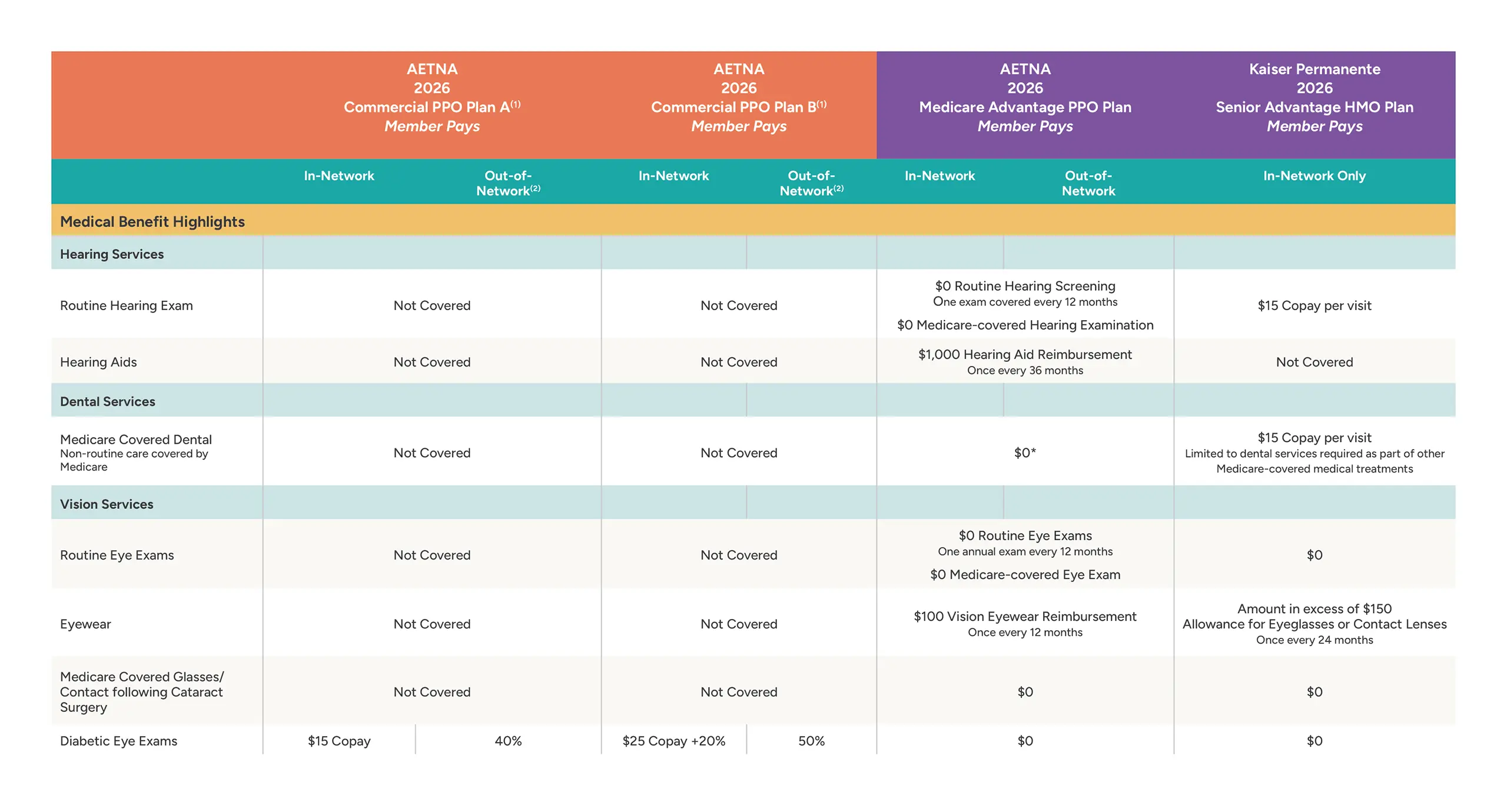
An HMO provides you access to specific doctors and hospitals within its network. A network is made up of providers that have concurred to decrease their rates for strategy members and also satisfy quality standards. Unlike PPO strategies, care under an HMO strategy is covered only if you see a service provider within that HMO's network.

Latest Posts

Optimal IUL Plans for Wealth Growth

Essential Consumer Guide for Selecting 2026 Medicare Insurance

Indexed Universal Life Options for Retirement